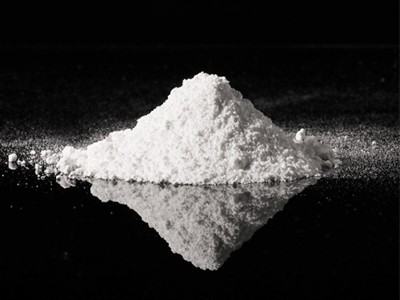
As the power density of 5G base stations, AI computing chips and automotive-grade power semiconductors continuously exceeds 300W/cm², the structural contradiction of "no balance between thermal conductivity and insulation" in traditional thermal conductive materials has become the core bottleneck restricting the improvement of electronic device reliability. With its unique anisotropic layered crystal structure, hexagonal boron nitride (h-BN) powder is becoming an indispensable core filler in high-end electronic thermal management systems.
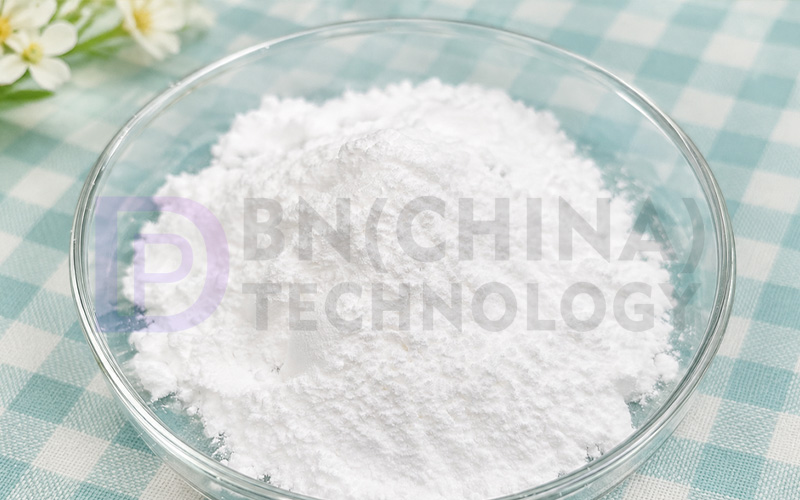
Underlying Mechanism of Insulating Thermal Conductivity, Solving Inherent Defects of Traditional Materials
Different from the conductive properties of graphene and metal fillers, h-BN is a typical wide-bandgap insulating material with a bandgap width of about 5.9eV and a breakdown strength greater than 15kV/mm. Its in-plane thermal conductivity can reach 200-400W/(m·K), which is 5-10 times that of conventional alumina fillers, fundamentally avoiding the risks of short circuit and signal interference introduced by high thermal conductivity fillers.
In high-frequency scenarios, the dielectric constant of h-BN is stable in the range of 4-5, and the loss factor tanδ is lower than 0.001. When filled into thermal interface materials for high-frequency substrates, it will not cause additional transmission loss of millimeter-wave signals, perfectly adapting to the thermal management requirements of 5G millimeter-wave and high-speed optical modules.
Powder-level Engineering Adaptation, Covering Multi-scenario Thermal Management Requirements
By adjusting the flake size, spheroidization rate and particle size gradation of h-BN powder, it can be targeted to adapt to different application scenarios:
Submicron high-purity powder is used in chip underfill, which can reduce the thermal resistance of the packaging interface by more than 30% and solve the problem of rapid heat equalization at submicron hot spots of advanced packaging chips.
Large-flake graded powder is used in thermal conductive gels and thermal conductive pads, which can form a continuous thermal conductive network at low filling viscosity, meeting the large-area insulation and heat dissipation requirements of automotive-grade IGBTs and power battery modules.
Modified spherical powder is used in high thermal conductivity epoxy substrates, which improves the in-plane thermal diffusion capability of the substrate while ensuring that the insulation withstand voltage level of the substrate meets the automotive-grade reliability standards.
At present, h-BN powder has shifted from high-end customized materials to large-scale industrial applications. With the continuous increase of power density of electronic components, this functional powder with high thermal conductivity, full insulation and low dielectric loss will become the core supporting material for the next-generation high-reliability electronic thermal management solutions.