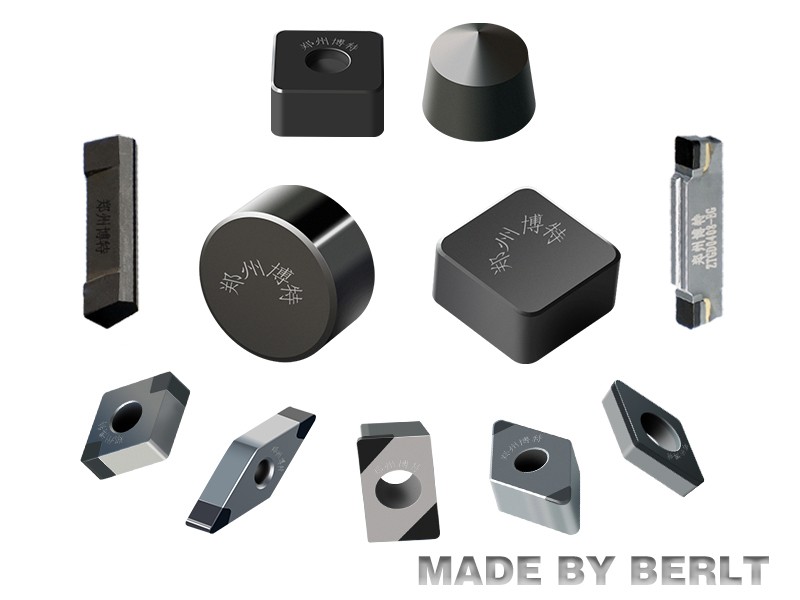
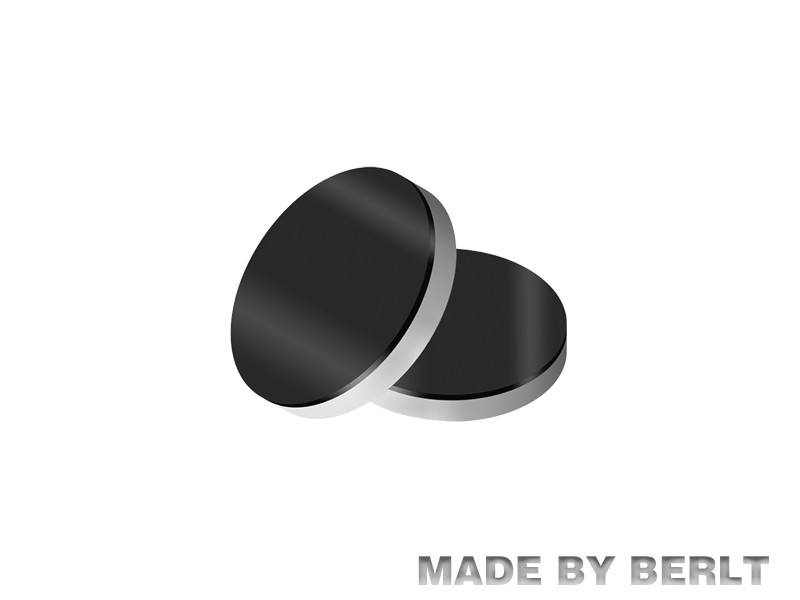
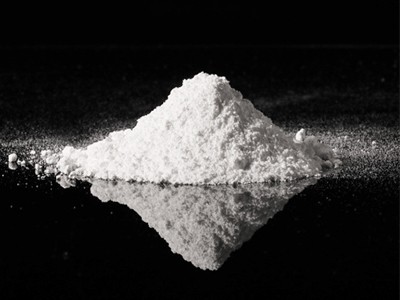
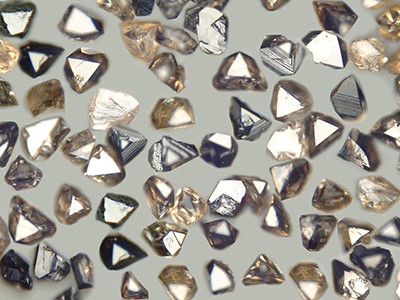
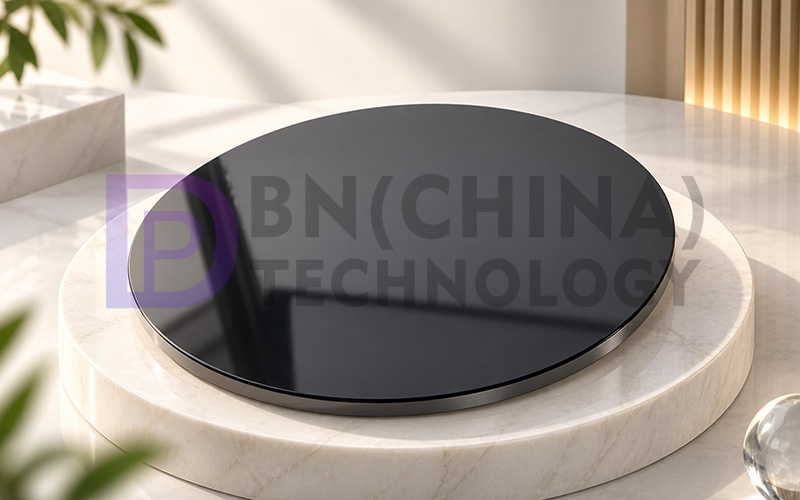
Polycrystalline Diamond Compact, or PDC for short, is a type of polycrystalline diamond composite material, typically referring to specifications with a diameter of 50mm or more. It is a composite material formed by sintering diamond micro-powder onto a cemented carbide substrate under ultra-high pressure and high temperature conditions, combining the high hardness of diamond with the high strength of cemented carbide.
High hardness and excellent wear resistance. The hardness of the diamond layer is close to that of natural diamond, and its wear resistance is far superior to cemented carbide and ceramic materials. Tools made from it typically last tens of times longer than ordinary cemented carbide tools, while also delivering higher machining efficiency.
Composite structure balances toughness. Pure diamond material is hard but brittle, and tends to fracture under impact. Through the combination of a diamond layer and a cemented carbide substrate, the PDC retains the wear resistance of diamond while gaining good impact resistance from the cemented carbide substrate, reducing the risk of chipping and delamination.
Good thermal stability. Ordinary PDC experiences performance degradation above 700°C. Specially treated products can withstand higher temperatures, making them suitable for processing scenarios with high heat generation, such as high-speed cutting.
Large size improves material utilization. Compared with small-diameter compacts, BN(China) Technology's large-diameter PDC can be cut into various shapes of tool blanks such as circular, fan-shaped, and triangular according to actual needs, reducing waste from offcuts. It is more suitable for mass production and large-scale tool manufacturing, with lower unit usage costs.
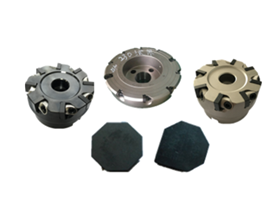
Machining is a major field of application. PDC tools perform exceptionally well in the cutting of difficult-to-machine materials such as high-silicon aluminum alloys, copper alloys, graphite, carbon fiber composites, and engineering ceramics. In automotive manufacturing, they are used for machining pistons, cylinder blocks, and other components; in the photovoltaic industry, they are used for silicon cutting — both significantly improving machining accuracy and production efficiency while reducing tool change frequency.
Wear-resistant component manufacturing also makes extensive use of PDC. Components subject to long-term friction and wear, such as wire drawing dies, nozzles, bearings, centers, and guide rails, can have their service life greatly extended by using PDC as the working surface. Taking wire drawing dies as an example, using PDC increases die life by dozens of times compared with cemented carbide dies, lowering production costs and equipment downtime.
Demand in the electronics and precision processing sector is growing rapidly. Scenarios such as micro-drilling of PCB boards, semiconductor wafer dicing, and precision part processing for 3C products impose very high requirements on tool wear resistance and machining accuracy. PDC drills and cutters deliver stable hole dimensions, minimal edge chipping, and long service life, meeting the precision processing requirements of high-end electronic products.
Overall, as a high-performance superhard material, PDC has clear advantages in improving machining efficiency, reducing production costs, and enhancing product accuracy, and its range of applications continues to expand.