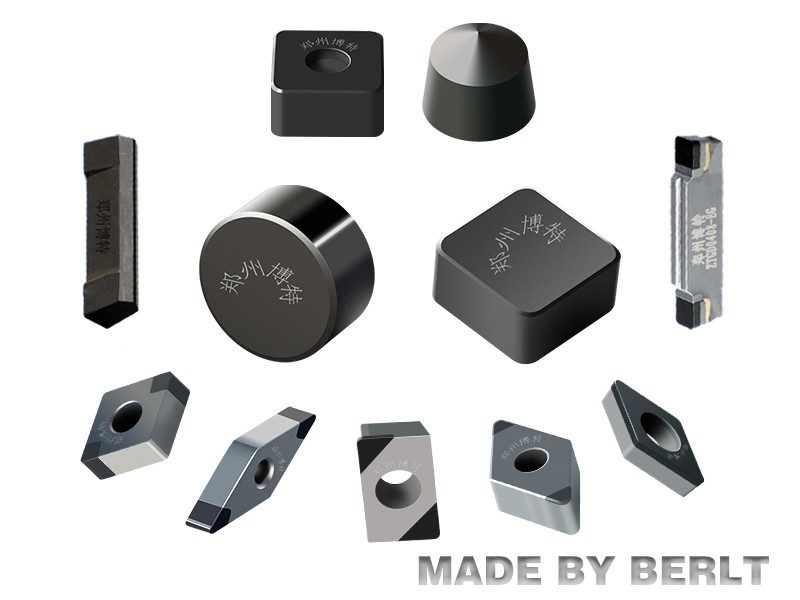
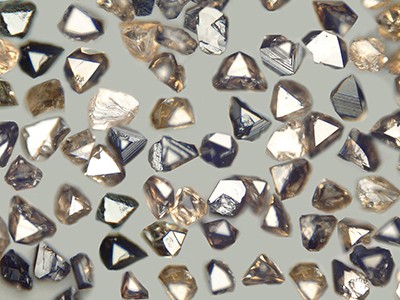
As a synthetic superhard abrasive second only to diamond, cubic boron nitride (CBN) relies on its excellent hardness performance to support its wide application in ferrous metal processing. Products with different structures and grain sizes show obvious differences in actual hardness.
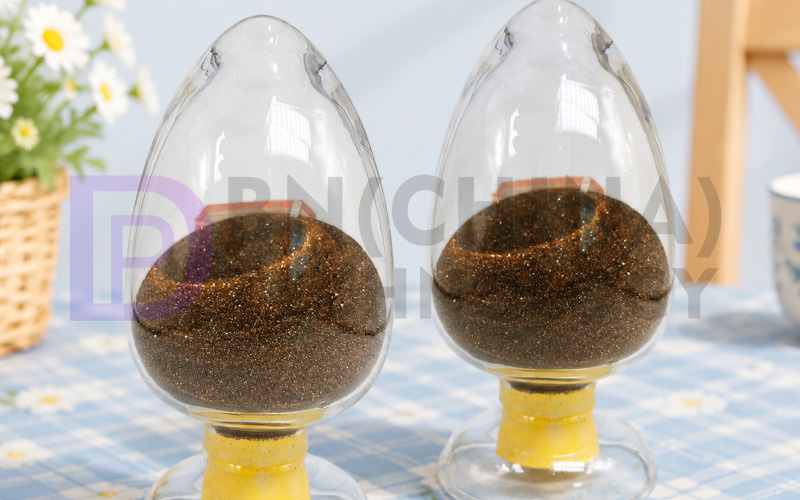
Hardness of Conventional Industrial-Grade CBN Abrasives
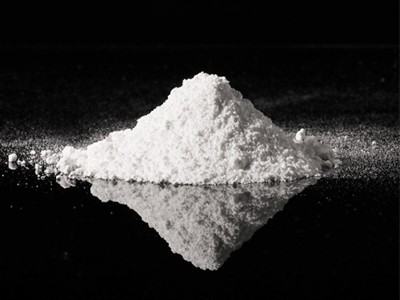
The common single-crystal cubic boron nitride abrasives mass-produced and applied in the current market have a Vickers hardness concentrated in the range of HV3200~HV4000, with a Mohs hardness of 9.7, far higher than traditional corundum abrasives such as brown fused alumina and white fused alumina. The hardness of this type of ordinary CBN is more than 4 times that of traditional corundum abrasives, and the grinding ratio can reach 4000:10000. It is sufficient to cope with most grinding scenarios of conventional quenched steel, bearing steel and cast iron, and is the main abrasive for CBN grinding wheels with common particle sizes of 80-325 mesh on the market.
Hardness Performance of Microcrystalline and Polycrystalline CBN
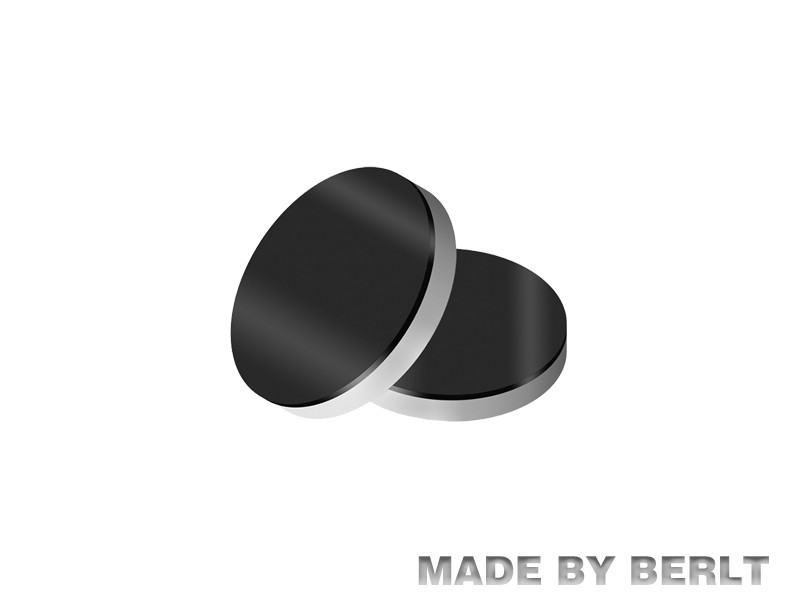
Polycrystalline cubic boron nitride (PCBN), composed of microcrystalline particles of 2-50 microns, has an overall hardness range of HV3000~HV5000, and the hardness value increases with the increase of the proportion of internal CBN single crystals. This type of abrasive overcomes the anisotropy defect of single-crystal CBN through disordered grain arrangement. While maintaining high hardness, it has better toughness, and the made tools and grinding wheels are not prone to directional cracking of a single crystal plane, making it suitable for working conditions such as intermittent grinding and heavy-load cutting.
Ultra-High Hardness of Nanostructured CBN
With the advancement of synthesis technology, the hardness of nano-scale cubic boron nitride has achieved a major breakthrough. When the grain size is refined to the 14-nanometer level, the Knoop hardness can reach 85GPa; the CBN prepared with a nano-twin structure has a maximum Vickers hardness of 108GPa, which has exceeded the reference hardness of synthetic diamond in the laboratory environment. This type of ultra-high hardness CBN is currently mostly used in precision polishing and finishing scenarios of special difficult-to-machine materials, and can achieve the mirror finishing effect that ordinary abrasives cannot achieve.
Compared with diamond, CBN has a slightly lower absolute hardness, but it has stable performance in the atmospheric environment below 1300℃, and has extremely strong chemical inertness to ferrous metals. When grinding ferrous metals, it will not undergo affinity reactions like diamond to cause rapid abrasive wear, and its actual performance in ferrous metal processing scenarios is far better than diamond abrasives.