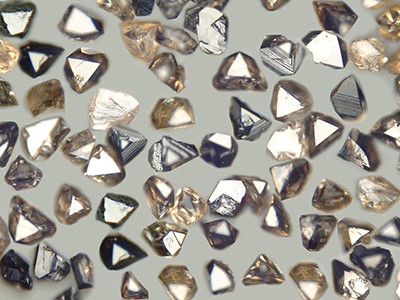
Lab-grown rough diamonds—these crystals born in laboratories—are quietly transcending the boundaries of the jewelry industry and heading toward a broader blue ocean of applications. In the past, their value was almost entirely defined by the brilliance they exhibited after cutting and polishing; today, they are being entrusted with a new mission, as their exceptional physical and chemical properties are carving out entirely new avenues in the industrial and technological sectors.
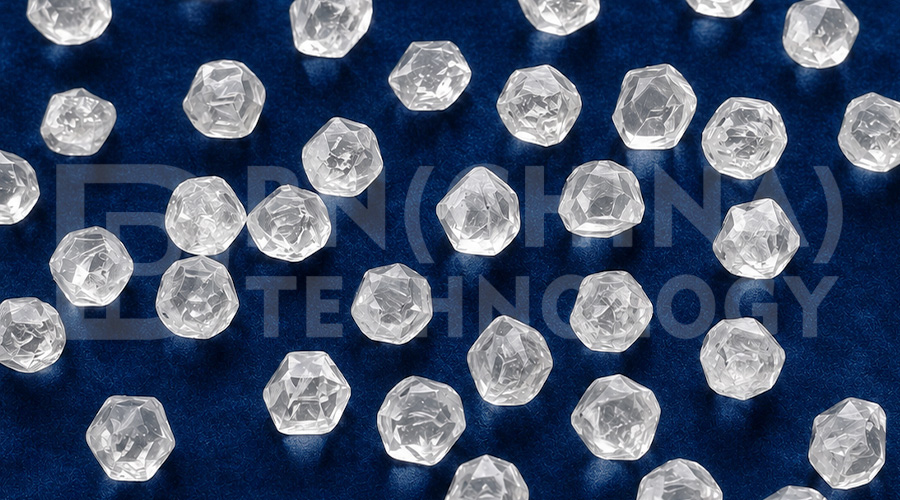
Currently, the most mature application for lab-grown rough diamonds is undoubtedly the jewelry market. Thanks to its cost and environmental advantages, it has become a key choice for the younger generation seeking “self-indulgent consumption” and “diamond freedom.” China accounts for over 60% of global rough diamond production capacity, with the Henan region serving as the core of the industrial cluster. Market penetration is rising year by year, and it is projected that demand in the Chinese market will maintain a year-over-year growth rate of nearly 20% through 2026. This forms the industry’s foundation—a stable and continuously growing downstream market.
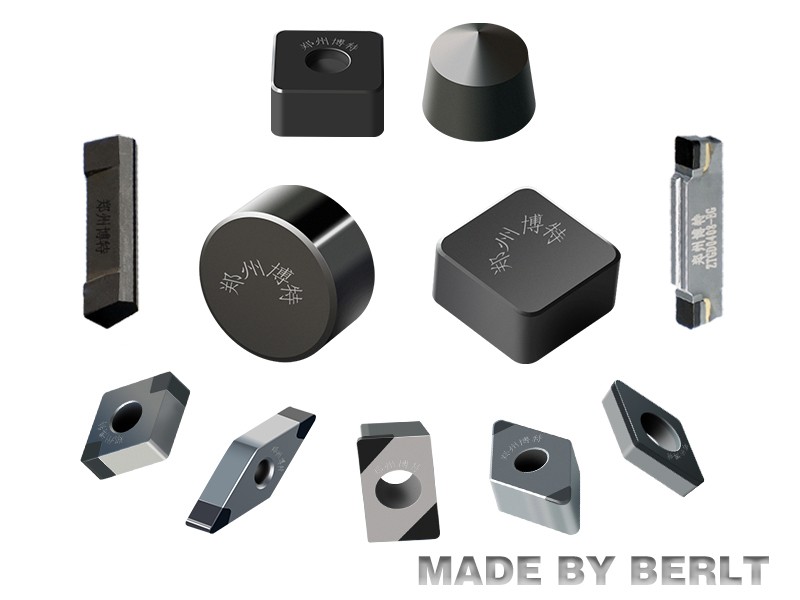
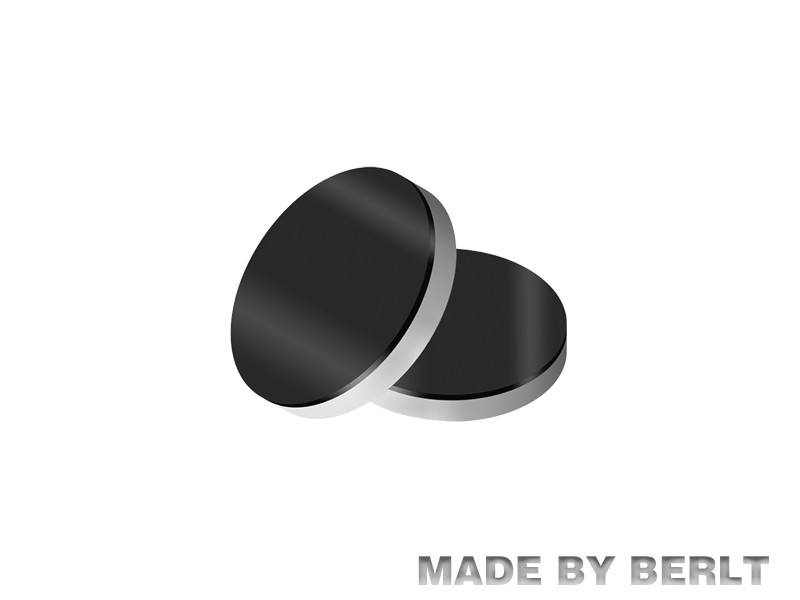
However, an even more imaginative future lies in its potential as an advanced functional material. Diamond is the substance with the highest thermal conductivity known in nature, a property that makes it an ideal heat dissipation material for cutting-edge semiconductor chips. As power consumption and thermal density surge in 5G, artificial intelligence, and high-performance computing chips, traditional thermal management solutions are nearing their limits. Heat sink substrates processed from lab-grown diamond rough have emerged as one of the key solutions to breaking through this bottleneck. Similarly, its extreme hardness, chemical inertness, and excellent optical transparency have also allowed it to make its mark in high-end industrial fields such as precision cutting tools, optical windows, water treatment electrodes, and even acoustic diaphragms.
From an industry chain perspective, the upstream rough-cut production segment enjoys strong bargaining power due to high capital and technological barriers. Meanwhile, downstream industrial applications—characterized by high technical barriers and significant added value—are attracting companies with robust R&D capabilities to focus their strategic investments there. Industry reports indicate that sectors targeting high-end industrial applications—such as semiconductors, heat dissipation, and optics—are expected to achieve a compound annual growth rate exceeding 30% in the coming years, far surpassing the average growth rate of the consumer jewelry market. This suggests a potential shift in the industry’s value center.
In the future, lab-grown diamond rough will follow a path driven by both “consumer and industrial” sectors. On the consumer side, they will continue to expand market share through their high cost-effectiveness and eco-friendly credentials; on the industrial side, they will deeply integrate into national strategic emerging industries as a new material. This transformation from decorative items to “industrial staples” concerns not only the rise and fall of an industry but may also catalyze progress in numerous cutting-edge technological fields downstream. Its prospects are far more profound and solid than the glimmer of light we see before us today.