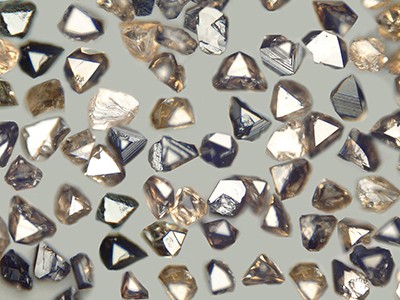
Diamond is the hardest material, and cubic boron nitride (CBN) comes second. Just how hard is it? Let's break it down below, then look at a few typical applications.
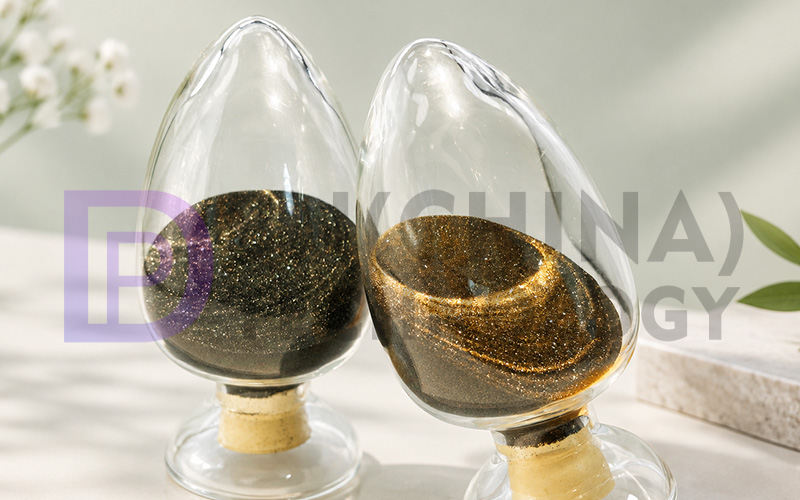
Hardness is a range, not a single number
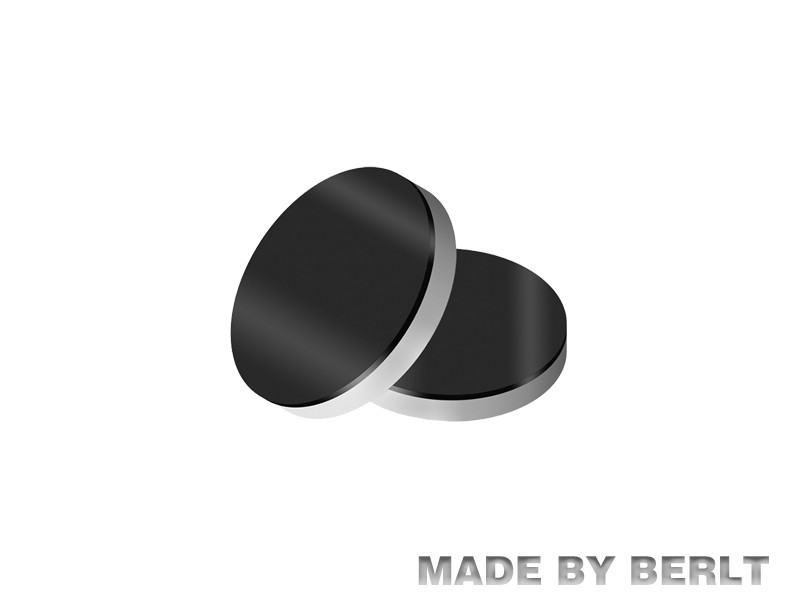
CBN is a synthetic superhard material, first synthesized in 1957 by General Electric in the United States. Its hardness is commonly stated in two ways:
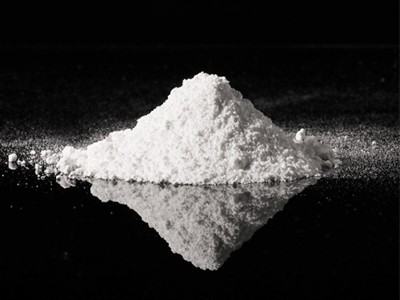
The microhardness of abrasive-grade CBN grains (micropowder) is generally quoted as HV 8000–9000;
The micro-Vickers hardness of single-crystal CBN is about 70 GPa (roughly HV 7000).
Hardness also varies with measurement direction and grain size: under a Knoop indenter, the [100] direction is about 4600 kg/mm², and the [110] direction about 3200 kg/mm².
For comparison, corundum is about 17.6–27.4 GPa and silicon carbide about 25.5–35.3 GPa, both far below CBN.
Why it is slightly less hard than diamond
The two have similar structures, both being sp3-hybridized covalent bond networks. The difference lies in bond length: the C—C bond in diamond is about 154.5 pm, while the B—N bond in CBN is about 156.5 pm. The slightly longer bond means slightly weaker bonding, so the hardness is a little lower.
CBN's strength lies in two things: heat resistance and inertness to iron. It does not oxidize below 1300°C, can withstand heat up to 1400–1500°C, and does not react with iron below 1150°C; diamond, by contrast, begins to carbonize at 700–800°C and is essentially unusable for grinding steel.
A few typical applications
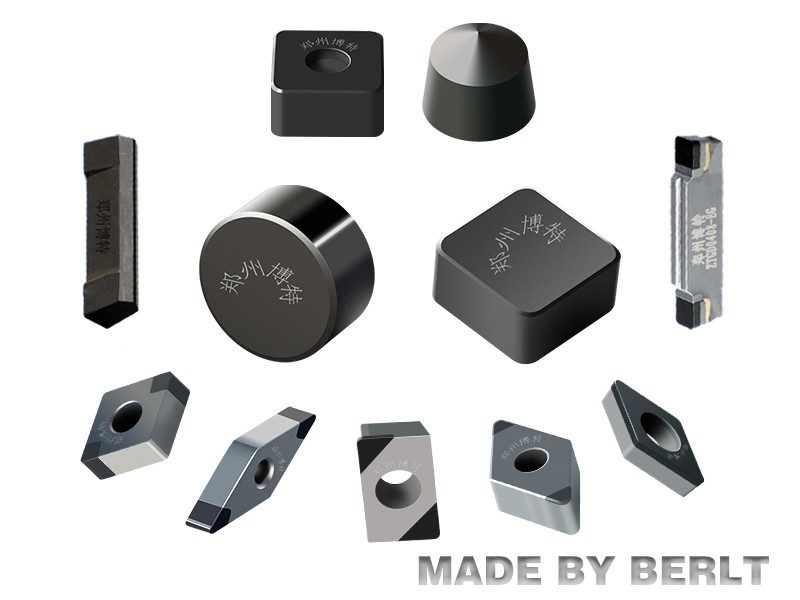
High hardness combined with chemical inertness means CBN abrasives are mainly used on ferrous metals and difficult-to-machine materials.
Automotive parts: camshafts, crankshafts, valve seat inserts, cylinder blocks, case-hardened gears, and more.
Bearings and tools: precision grinding of bearing inner and outer rings and bearing steel; sharpening of high-speed steel and die steel tools.
Aerospace: turbine disks and blades made of nickel-based superalloys.
Metallurgy and heavy machinery: chilled cast iron rolls and high-manganese steel parts.
Machine tools and precision drives: grinding of precision components such as guideways and ball screws.
These are mostly ferrous metals, and since CBN does not react with iron, grinding is less prone to chip loading and burning. Among them, vitrified (ceramic) bonds are developing fastest, with ultra-high-speed grinding wheel velocities commonly reaching 80–125 m/s.
CBN is second only to diamond in hardness, but its value lies not in being "the hardest" but in being "hard enough, heat-resistant, and non-reactive with iron."
CBN is not a cure-all: cemented carbide, glass, and ceramics still require diamond; its toughness and bending strength are limited, so it is generally not used in low-speed, heavy-stock, heavy-load conditions, and the cooling method should be selected according to the bond type and working conditions.