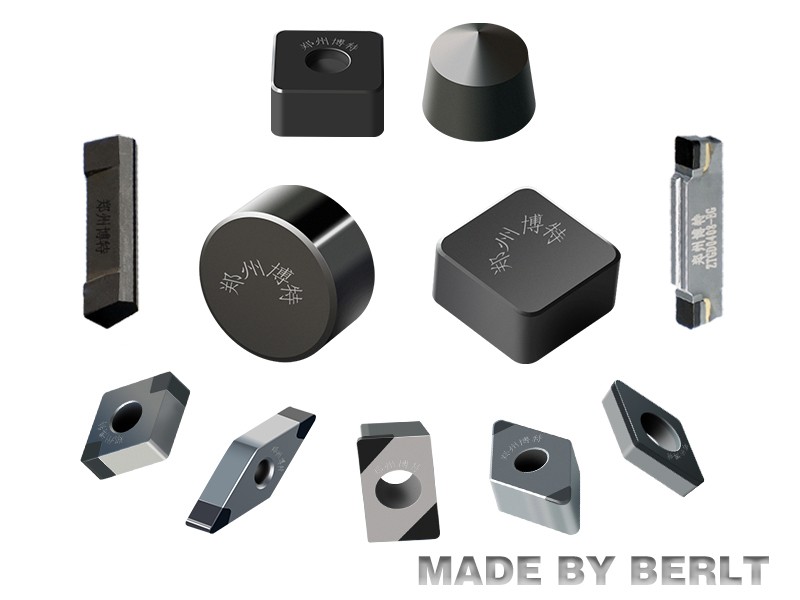
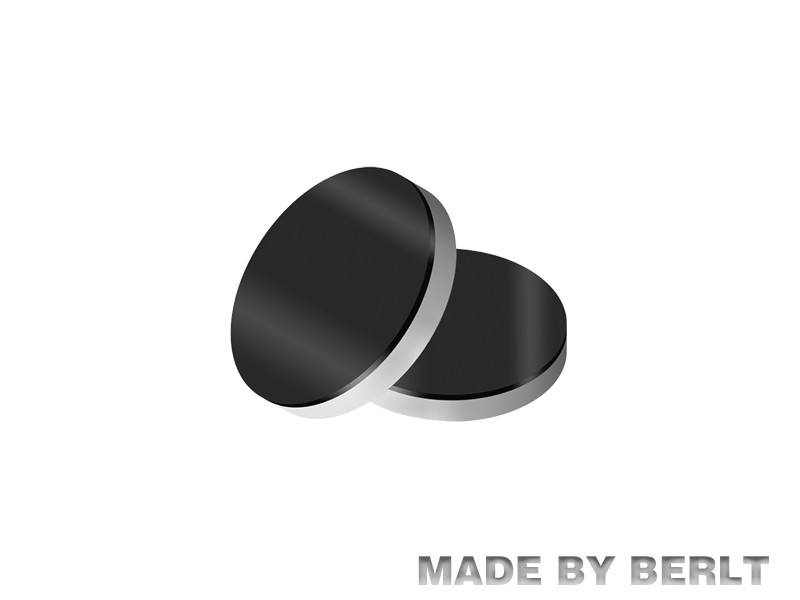
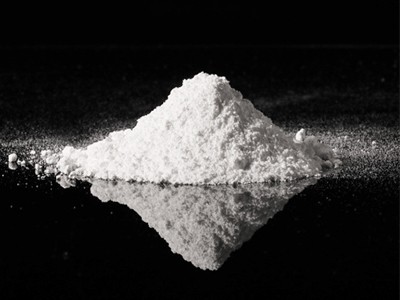
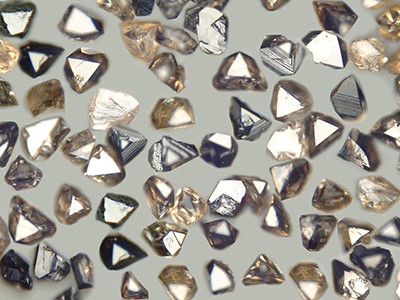
Among superhard materials, the cubic boron nitride compact (PCBN compact) is one that has drawn considerable attention in high-end manufacturing in recent years. It takes cubic boron nitride fine powder as its main component, adds metal or ceramic binders, and is sintered into a single body together with a cemented carbide substrate under high temperature and high pressure, combining the hardness of a superhard material with the toughness of the substrate. Its hardness is second only to diamond, while its thermal stability is even better — it is precisely this "hard yet heat-resistant" character that has allowed it to gain a firm foothold in the cutting-tool field.
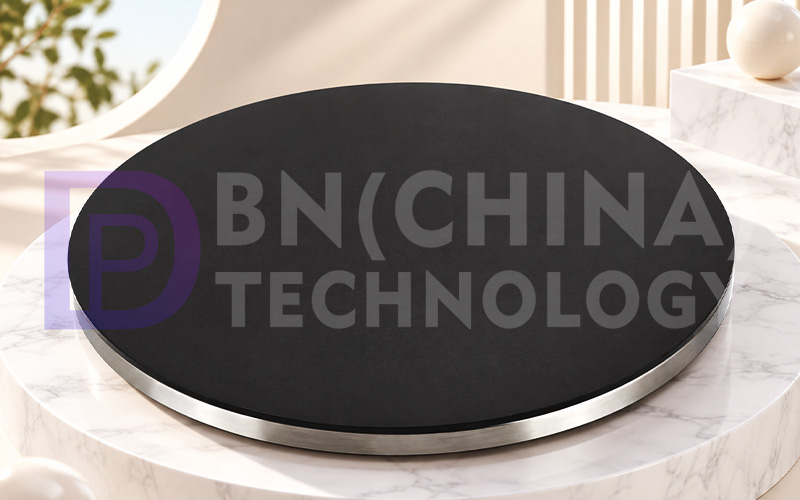
In terms of application, the earliest and largest market for cubic boron nitride compacts lies in the automotive and rail transit industries. Components such as engine cylinder blocks and heads, transmission gears, bearings and crankshafts that have undergone hardening treatment are extremely hard, and conventional tools wear quickly and work inefficiently. PCBN tools, by contrast, can reliably sustain high-tempo production, reducing process transfers and repeated clamping and substantially shortening processing time. In aerospace, difficult materials such as titanium alloys and superalloys place enormous demands on tooling; ordinary tools often need replacing after only a few parts, whereas PCBN can continue cutting at high speed and ensure consistent quality. In addition, the finishing of hardened die steel, along with the manufacture of key energy-equipment parts such as wind turbine bearings, rolls and ball screws, are also its main battlegrounds. As for processing methods, it is widely suited to high-speed cutting, hard turning and dry cutting, and can replace inefficient grinding operations through "turning instead of grinding," completing rough and finish machining in a single setup.
As for its core advantages, the first is hardness and wear resistance. Its hardness is second only to diamond, and when machining hardened steel, tool life can reach 10 to 50 times that of cemented carbide, greatly reducing the number of tool changes and thereby improving production continuity and stability. The second is outstanding thermal stability: it can withstand temperatures above 1200°C, and even at 800°C its hardness remains higher than that of cemented carbide and ceramics at room temperature, making it very well suited to high-speed dry cutting — saving coolant costs while benefiting the environment. The third is good chemical inertness: even at 1200 to 1300°C it barely reacts chemically with iron-based metals, and it will not be "ruined on contact with iron" the way diamond is, which makes it particularly suitable for machining steel materials. The last is the balance it strikes between precision and efficiency: with a low friction coefficient and good thermal conductivity, cutting heat is easily carried away, the surface roughness and dimensional accuracy of the workpiece are more stable, and cutting speeds can reach several times those of cemented carbide. As domestic technology continues to make breakthroughs, cubic boron nitride compacts are rapidly expanding from aerospace and automotive into more fields such as dies and energy, becoming an important force driving efficient cutting and the localization of cutting tools.